
Culture & History · 3 min read
The Complete Guide to Da Nang Culture and History for Expats and Travelers
Discover the vibrant culture and history of Da Nang. From historical roots to modern expat living in My Khe and An Thuong, this guide covers everything.
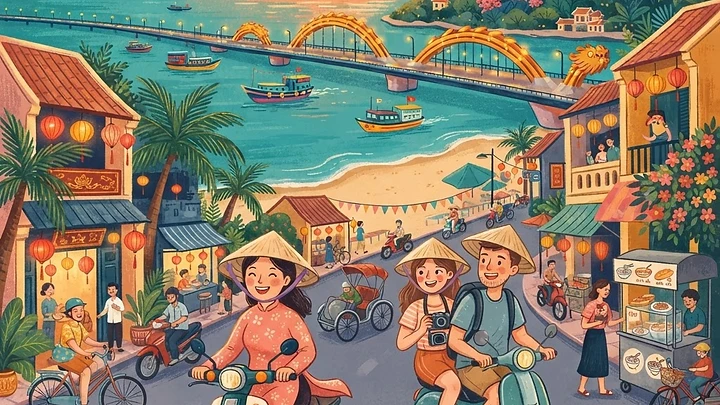
Introduction to Da Nang's Soul. Da Nang blends ancient Cham heritage with a rapidly evolving coastal lifestyle, offering a unique mix of historical depth and modern convenience for residents and visitors alike. Whether you are navigating the bustling streets of Hai Chau or lounging in An Thuong, understanding this city requires a peek into its complex past and vibrant local customs. ### A Brief Glimpse at History. Long before it became the gleaming metropolis we see in 2026, Da Nang was a critical trading port for the Champa Kingdom. The city's history is deeply intertwined with its strategic location at the mouth of the Han River. During the French colonial period, it was known as Tourane, a significant military and administrative hub. Today, you can still see traces of this era in the architecture of Hai Chau, the city center. ### Key Neighborhoods for Expats and Travelers. Living or visiting here means choosing a vibe. * My Khe Beach: The heart of the tourist scene with endless seafood restaurants and sunrise yoga. * An Thuong: The 'Expat Quarter', packed with cafes, craft beer, and international grocery stores. * Hai Chau: The administrative and cultural core where you find government offices and authentic street food. * Son Tra: The green lung of the city, perfect for nature lovers and those seeking quiet mountain views. * Ngu Hanh Son (Marble Mountains): A spiritual haven known for its caves and stone carving tradition. ### Cultural Etiquette for Modern Living. Vietnam is a culture of respect. While Da Nang is more relaxed than Hanoi or Ho Chi Minh City, there are unwritten rules. Always dress modestly when visiting pagodas (shoulders and knees covered). When eating, avoid sticking your chopsticks vertically into a bowl of rice, as this resembles incense at a funeral. A warm smile goes a long way here; locals appreciate those who make an effort to learn basic phrases. ### Practical Costs for 2026. Living in Da Nang remains accessible compared to global standards. * Daily meal at a local eatery: 40,000 to 70,000 VND ($1.60 - $2.80 USD). * Coffee at an upscale cafe in An Thuong: 50,000 to 90,000 VND ($2.00 - $3.60 USD). * Monthly studio apartment rent: 7,000,000 to 12,000,000 VND ($280 - $480 USD). * Motorbike fuel tank fill-up: 60,000 VND ($2.40 USD). ### Navigating the Local Spirit. Experience the real Da Nang by attending local festivals or visiting the morning markets. The Han Market in Hai Chau is chaotic but essential for understanding the local commerce, while the smaller neighborhood markets offer the freshest produce. Participate in the 'Ca Phe Sua Da' culture, sitting on a plastic stool by the sidewalk, to truly observe the city's heartbeat.
Quick answers
- Is Da Nang safe for expats?
- Yes, Da Nang is widely considered one of the safest cities in Southeast Asia for expats and travelers.
- Which neighborhood is best for expats?
- An Thuong is the most popular area for expats due to its high concentration of cafes, gyms, and international community amenities.
- Do I need to speak Vietnamese?
- While English is widely understood in tourist areas, learning basic Vietnamese phrases is greatly appreciated and helpful for daily interactions.
- What is the best way to get around?
- Renting a motorbike is the most common way to travel, though ride-hailing apps like Grab are very affordable and convenient.
More on Culture & History
All Culture & History articles

Da Nang Cathedral: The Pink Church Guide for Visitors
Da Nang Cathedral, known as the Pink Church or Rooster Church, is one of the city's most iconic landmarks. This guide covers history, opening hours, mass times, photo tips and everything nearby.

Dragon Bridge Da Nang: Fire Show Guide, Best Spots and Tips
The Dragon Bridge in Da Nang puts on a free fire and water show every Friday, Saturday and Sunday at 21:00. This guide covers the best places to watch, how to avoid the crowds, and how to plan your whole evening around the show.

Indoor Things to Do in Da Nang for Adults: Museums, Galleries and Classes
Rain or heat ruining your beach plans? These indoor activities in Da Nang for adults, from Cham sculpture to cooking classes and spas, turn a wet day into a great one.
 Translate
