
Culture & History · 3 min read
The History of the Marble Mountains: Sacred Caves and Buddhist Traditions
Discover the sacred history of Da Nang's Marble Mountains, from ancient Champa roots to modern Buddhist traditions. A guide for expats and local explorers.

Origins of the Five Elements Mountains The Marble Mountains, or Ngu Hanh Son, are a cluster of five limestone and marble hills that represent the five elements of Eastern philosophy: Metal, Wood, Water, Fire, and Earth. Their history spans centuries, serving as a sanctuary for Champa royalty, local fishermen, and later, a strategic retreat for revolutionary forces during the Vietnam War. ## A Spiritual Journey Through the Caves When you venture out from your apartment in An Thuong or your hotel near My Khe Beach, you are stepping into a landscape steeped in mysticism. The most famous peak, Thuy Son (Water Mountain), houses several stunning caves converted into Buddhist shrines. Inside the Huyen Khong Cave, light streams through natural fissures in the rock, illuminating stone Buddha statues against a backdrop of moss-covered walls. It is a hauntingly beautiful space that remains a place of active worship today. ### Tips for Your Visit To make the most of your trip from the city center in Hai Chau or the coastal roads, keep these tips in mind: * Ticket Prices: Entrance to the main cave complex is approximately 40,000 VND ($1.60 USD) per person, with an additional 15,000 VND ($0.60 USD) if you choose to take the glass elevator to the summit. * Dress Code: As these are active sacred sites, please cover your shoulders and knees. Carrying a light sarong is a practical move for expats living in Da Nang. * Best Time to Go: Visit early in the morning, around 7:30 AM, to beat the tour buses from Hoi An and the midday heat reflecting off the limestone. ## Historical Significance and Modern Legacy The mountains have long been a source of inspiration for artisans in the nearby Non Nuoc Stone Carving Village. This historic craft has been passed down through generations of families who live at the foot of the mountains. Even as Da Nang rapidly modernizes with high-rises and new bridges, these hills remain the spiritual heart of the region. ## Practical Advice for Residents Whether you are residing in the green hills of Son Tra or the buzzing streets of Ngu Hanh Son, access is easy. Most locals and expats use the Grab app for a convenient ride, which usually costs around 80,000 VND to 120,000 VND ($3.20 - $4.80 USD) from central Da Nang. If you are feeling active, renting a scooter is a great way to explore the mountain base at your own pace. Just be sure to lock your bike in the designated parking areas near the entrance.
Quick answers
- How much does it cost to enter the Marble Mountains?
- Entrance to the main cave complex is approximately 40,000 VND, with an extra 15,000 VND fee for the elevator.
- Is there a specific dress code for visiting the caves?
- Yes, as the caves are active Buddhist shrines, you must keep your shoulders and knees covered.
- How can I get to the Marble Mountains from Da Nang city?
- You can easily take a Grab taxi from central locations like Hai Chau or My Khe for roughly 80,000 to 120,000 VND.
- What is the best time of day to visit?
- Arriving early in the morning, around 7:30 AM, is recommended to avoid large tour groups and the peak afternoon heat.
More on Culture & History
All Culture & History articles

Da Nang Cathedral: The Pink Church Guide for Visitors
Da Nang Cathedral, known as the Pink Church or Rooster Church, is one of the city's most iconic landmarks. This guide covers history, opening hours, mass times, photo tips and everything nearby.

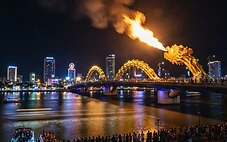
Dragon Bridge Da Nang: Fire Show Guide, Best Spots and Tips
The Dragon Bridge in Da Nang puts on a free fire and water show every Friday, Saturday and Sunday at 21:00. This guide covers the best places to watch, how to avoid the crowds, and how to plan your whole evening around the show.

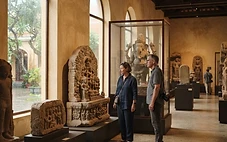
Indoor Things to Do in Da Nang for Adults: Museums, Galleries and Classes
Rain or heat ruining your beach plans? These indoor activities in Da Nang for adults, from Cham sculpture to cooking classes and spas, turn a wet day into a great one.
 Translate
