
Culture & History · 3 min read
The Origins of Da Nang Cuisine: A History of Central Vietnamese Flavors
Discover how the history of the Champa Kingdom and royal influences shaped the bold, spicy, and vibrant flavors of Da Nang's iconic local cuisine.
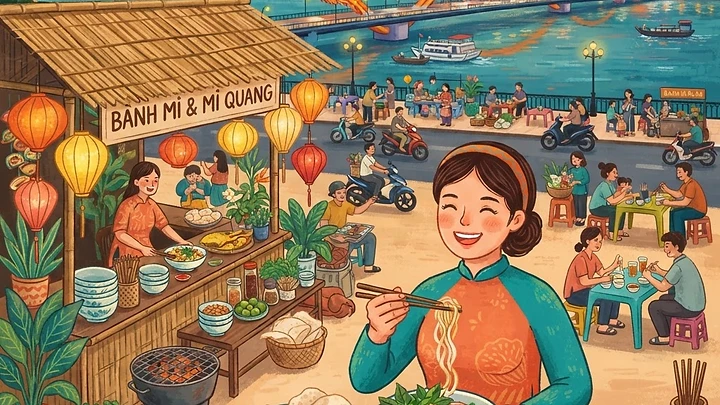
The Roots of Central Vietnamese Flavors
Da Nang cuisine is a harmonious blend of rugged mountainous influences and the bountiful resources of the East Sea, shaped by its role as a historical trading hub. This fusion created a distinct profile defined by bold spice, intricate dipping sauces, and a love for fresh, raw herbs that set it apart from the milder northern and sweeter southern styles.
The Historical Foundation
Historically, Central Vietnam was the heart of the Champa Kingdom. This legacy left a permanent mark on local recipes, particularly in the use of fermented seafood and turmeric. When the Nguyen Dynasty moved the capital to nearby Hue, the royal appetite for sophisticated, bite-sized dishes spilled over into the Da Nang region, giving birth to staples like banh beo (steamed rice cakes).
Exploring Flavors by Neighborhood
Whether you are living in the bustling streets of Hai Chau or lounging by the beach in My Khe, every district tells a different culinary story.
- Hai Chau: This is the city's commercial and historical center. It is the best place to find authentic Mi Quang (turmeric-infused noodles) at street-side stalls. Expect to pay around 35,000 VND ($1.40 USD) for a hearty bowl.
- An Thuong: Known as the expat enclave, this area features a fusion of traditional flavors and international comforts. You can find high-end versions of local seafood dishes here, typically ranging from 150,000 VND to 300,000 VND ($6.00 to $12.00 USD).
- Son Tra: This peninsula is famous for its fresh catch. Visit the local markets near the base of the mountain to choose your own shellfish, which vendors will grill for you on the spot.
- Ngu Hanh Son (Marble Mountains): This area offers quieter, more rustic dining experiences. Look for small family-run shops serving Banh Xeo (crispy pancakes) for about 40,000 VND ($1.60 USD).
Key Ingredients Defining the Palette
Three elements define Da Nang's culinary identity: fresh herbs, chili, and the iconic mam nem (fermented anchovy sauce). Unlike the fish sauce used in the south, mam nem has a pungent, salty profile that is essential for authentic Central dishes. Never be afraid to ask for a side of chili, the locals are proud of their spicy tolerances!
Practical Tips for New Residents
As you navigate the local food scene in 2026, keep these tips in mind:
- Embrace the Street: Don't be intimidated by low plastic stools. The busiest stalls with the locals are almost always the cleanest and tastiest.
- Check the Price: Most local spots display menus with prices. If not, a quick point and smile usually clarifies the bill.
- Stay Hydrated: Pair your spicy meals with a refreshing Tra Da (iced green tea) or a local Larue beer for a authentic experience.
- Explore the Markets: Han Market and Con Market remain the best places to witness the full spectrum of local ingredients, from dried seafood to fresh tropical fruits.
Quick answers
- What is the most iconic dish in Da Nang?
- Mi Quang, a turmeric-infused noodle dish topped with pork, shrimp, quail eggs, and crunchy peanuts, is considered the city's signature meal.
- Is Da Nang food very spicy?
- Yes, Central Vietnamese cuisine is known for its bold, spicy profile, often featuring fresh bird's-eye chilies or chili-infused sauces.
- What is the typical price for street food in Da Nang?
- Most street food dishes, such as Banh Xeo or Mi Quang, typically cost between 30,000 and 50,000 VND ($1.20 to $2.00 USD).
- Where should I go for the freshest seafood?
- The Son Tra Peninsula and the coastline near My Khe Beach are the best places to find stalls serving fresh, locally caught seafood.
More on Culture & History
All Culture & History articles

Da Nang Cathedral: The Pink Church Guide for Visitors
Da Nang Cathedral, known as the Pink Church or Rooster Church, is one of the city's most iconic landmarks. This guide covers history, opening hours, mass times, photo tips and everything nearby.

Dragon Bridge Da Nang: Fire Show Guide, Best Spots and Tips
The Dragon Bridge in Da Nang puts on a free fire and water show every Friday, Saturday and Sunday at 21:00. This guide covers the best places to watch, how to avoid the crowds, and how to plan your whole evening around the show.

Indoor Things to Do in Da Nang for Adults: Museums, Galleries and Classes
Rain or heat ruining your beach plans? These indoor activities in Da Nang for adults, from Cham sculpture to cooking classes and spas, turn a wet day into a great one.