
Culture & History · 3 min read
An Expat’s Guide to Understanding Vietnamese Etiquette and Social Norms in Da Nang
Master local customs in Da Nang with our guide on etiquette, dining, and social norms to help you integrate seamlessly into this vibrant Vietnamese city.
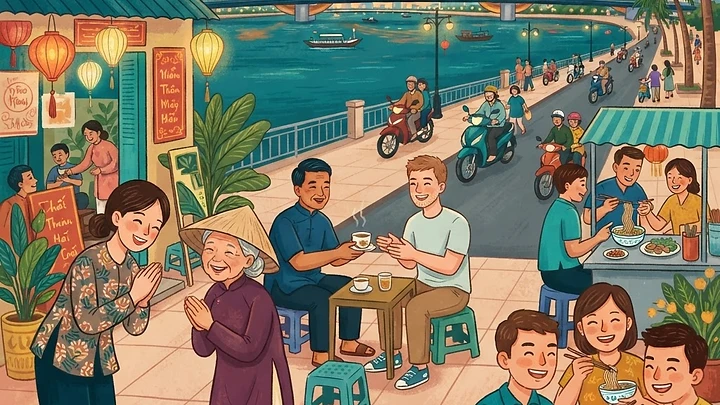
Navigating Social Etiquette in Da Nang: A Friendly Approach. Mastering Vietnamese etiquette in Da Nang is about balancing sincere respect for tradition with the city's modern, relaxed coastal vibe. By learning basic social cues, like how to address neighbors or show gratitude in local shops, you will bridge the gap between being a tourist and becoming a respected part of the Da Nang community. ### The Basics of Greeting and Respect. In neighborhoods like Hai Chau or the expat-heavy An Thuong, a warm smile is your universal language. Vietnamese culture places high value on hierarchy and age. When meeting new people, a slight nod of the head is professional and polite. If you are invited into a local home, always remove your shoes at the entrance; it is a sign of cleanliness and respect. Avoid touching people on the head or passing items with one hand, always use both hands to hand over money or gifts, especially to elders. ### Dining Manners: The Heart of Community. Food is the social glue in Da Nang. Whether you are grabbing a bowl of Mi Quang in My Khe for 30,000 VND ($1.20) or enjoying a higher-end seafood dinner in Son Tra for 500,000 VND ($20), etiquette remains consistent. Always wait for the eldest person at the table to start eating first. If you use chopsticks, never stick them upright in your rice bowl, as this mimics incense sticks used at funerals and is considered bad luck. Don’t be surprised if locals ask about your marital status or income, this is often a way of establishing a social framework rather than an attempt to be rude. A polite, vague answer is perfectly acceptable. ### Neighborhood Nuances. Da Nang is a city of distinct personalities. In the bustling center of Hai Chau, the pace is faster and professional interactions are more formal. Contrast this with Ngu Hanh Son, where the community is tighter and neighbors are more likely to chat over coffee. Wherever you live, being a good neighbor involves keeping noise levels down after 10 PM. If you host a small gathering, a quick heads-up to your immediate neighbors is considered a very courteous gesture. ### Practical Tips for Daily Interactions. * Tipping: It is not mandatory in Da Nang, but rounding up the bill or leaving an extra 20,000 to 50,000 VND ($0.80-$2.00) is appreciated for great service. * Dress Code: While Da Nang is a beach city, cover your shoulders and knees when visiting pagodas or local government offices. * Public Displays: Avoid overly public displays of affection; Vietnamese culture tends to be quite conservative in this regard. * Saving Face: Never shout or get visibly angry in public. Raising your voice causes 'loss of face' for everyone involved and will likely make the other person shut down rather than help you. By embracing these small cultural shifts, you will find that the people of Da Nang are incredibly warm, helpful, and welcoming to those who take the time to learn their ways.
Quick answers
- Is tipping expected at restaurants in Da Nang?
- Tipping is not mandatory in Vietnam, though leaving a small amount like 20,000 to 50,000 VND is appreciated for excellent service.
- How should I dress when visiting temples in Da Nang?
- Always dress modestly by ensuring your shoulders and knees are covered as a sign of respect for religious sites.
- Why shouldn't I stick my chopsticks upright in a rice bowl?
- Sticking chopsticks upright in a bowl resembles funeral incense and is considered highly disrespectful and bad luck.
- What is the best way to handle a disagreement in public?
- Always remain calm and polite; raising your voice or showing anger causes 'loss of face' and rarely leads to a positive resolution.
More on Culture & History
All Culture & History articles

Da Nang Cathedral: The Pink Church Guide for Visitors
Da Nang Cathedral, known as the Pink Church or Rooster Church, is one of the city's most iconic landmarks. This guide covers history, opening hours, mass times, photo tips and everything nearby.


Dragon Bridge Da Nang: Fire Show Guide, Best Spots and Tips
The Dragon Bridge in Da Nang puts on a free fire and water show every Friday, Saturday and Sunday at 21:00. This guide covers the best places to watch, how to avoid the crowds, and how to plan your whole evening around the show.

Indoor Things to Do in Da Nang for Adults: Museums, Galleries and Classes
Rain or heat ruining your beach plans? These indoor activities in Da Nang for adults, from Cham sculpture to cooking classes and spas, turn a wet day into a great one.